Best Concealed Carry Insurance in Illinois: Complete 2026 Guide

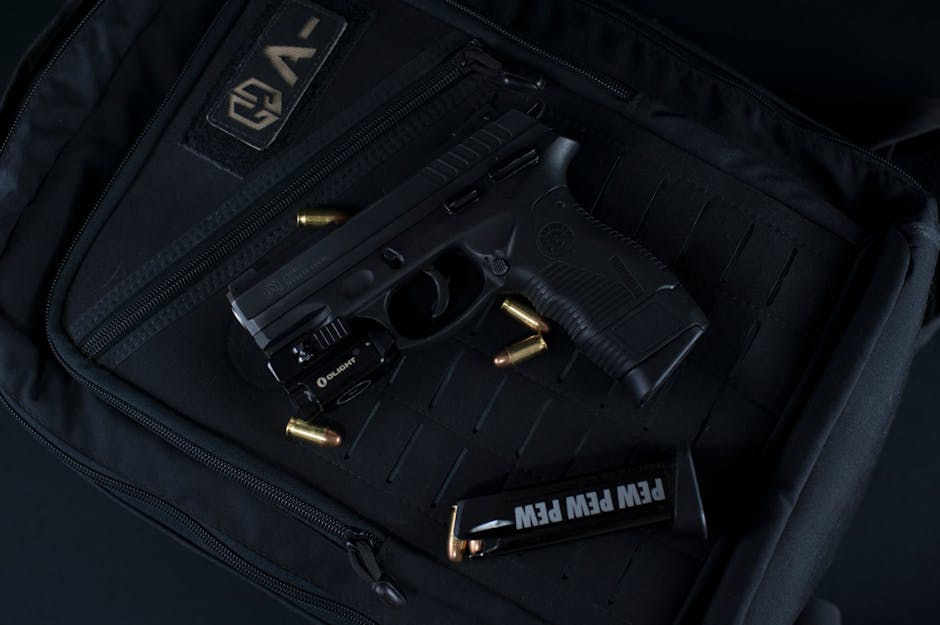
You’re walking through a Chicago parking garage after dark, your Illinois Concealed Carry License securely in your wallet. Suddenly, you hear footsteps quickening behind you. Your hand instinctively moves toward your holster. You hope you’ll never need to draw, but if you do, are you really prepared for what comes next? The confrontation might last seconds, but the legal and financial aftermath could drag on for years, draining your savings and turning your life upside down.
This isn’t just hypothetical. Illinois gun owners face unique challenges—Chicago’s complex self-defense laws, Cook County’s aggressive prosecutors, and legal costs that can exceed six figures before you even see a courtroom. Having the best concealed carry insurance in Illinois isn’t just a luxury; it’s a critical component of responsible firearm ownership that could mean the difference between financial ruin and protection when you need it most.
In this comprehensive guide, we’ll break down everything Illinois residents need to know about concealed carry insurance. You’ll discover why standard homeowners or auto policies leave dangerous gaps, how to evaluate coverage options for our state’s specific legal landscape, and which providers offer the most robust protection for Prairie State gun owners. Whether you’re in Rockford, Springfield, or the Chicago metro area, you’ll walk away knowing exactly how to shield yourself from the staggering costs of a self-defense incident.






Key Takeaways: What Every Illinois Gun Owner Needs to Know
- Standard insurance policies typically exclude intentional acts like self-defense shootings, leaving you personally liable for six-figure legal bills.
- Illinois has some of the highest attorney rates in the Midwest, with criminal defense attorneys charging $300-$500+ per hour, making quality coverage essential.
- Look for policies with at least $1 million in civil liability coverage—Cook County juries regularly award seven-figure judgments in wrongful death suits.
- Immediate attorney access is non-negotiable—Illinois has specific reporting requirements and tight timelines following defensive firearm use.
- Watch for exclusions related to alcohol—many policies won’t cover incidents where you’ve consumed any amount, which matters for Illinois’ restaurant carry rules.
- Consider both criminal AND civil coverage—even if cleared criminally, you could still face devastating civil lawsuits in Illinois courts.
- Review the provider’s network of Illinois-licensed attorneys—local knowledge of county-specific prosecutors and judges is invaluable.
Why Concealed Carry Insurance is Different in Illinois
If you think your existing insurance has you covered, think again. Standard homeowners, renters, and umbrella policies almost universally exclude “intentional acts”—and in the eyes of insurance companies, drawing your firearm in self-defense falls squarely into that category. You could be facing $100,000 in legal bills before lunchtime, completely on your own.
Illinois’ Unique Legal Landscape
Our state presents specific challenges that make quality coverage essential. First, Illinois is a “duty to retreat” state outside your home, meaning you must attempt to avoid confrontation before using deadly force in public spaces. Prosecutors will scrutinize whether you truly had no other option. Second, Chicago and Cook County have historically taken aggressive stances against defensive firearm use, with district attorneys who aren’t afraid to pursue charges even in clear-cut self-defense scenarios.
Then there’s the cost factor. Illinois attorneys specializing in self-defense cases charge premium rates—$350 to $500 per hour is standard in metropolitan areas, and complex cases can require hundreds of billable hours. A straightforward case might cost $75,000 just to get to trial, while a protracted legal battle could easily surpass $250,000. Civil lawsuits add another layer: Illinois has no “stand your ground” protection against civil liability, meaning even if you’re found not guilty criminally, you could still face a multi-million dollar wrongful death suit.
Editorial Insight: “Many Illinois gun owners make the mistake of thinking ‘it won’t happen to me’ or that their existing insurance will cover them. The reality is that a single self-defense incident can trigger multiple legal battles simultaneously—criminal charges, civil suits, and possibly even administrative hearings regarding your FOID card or CCL. Quality concealed carry insurance isn’t just about paying lawyers; it’s about having experienced advocates who understand Illinois’ complex web of firearm regulations and can navigate all these fronts at once.”
What to Look for in Illinois Concealed Carry Insurance
Not all policies are created equal, especially for Illinois residents. Here are the critical features that should be on your checklist when evaluating options.
Coverage Amounts That Match Illinois Realities
Look for minimum coverage of $1 million per incident for civil liability—Cook County juries have awarded significantly more in recent wrongful death cases. Criminal defense coverage should start at $250,000, though $500,000 provides much better protection for serious cases. Bail bond coverage is particularly important in Illinois, where bond can be set prohibitively high in firearm-related cases (sometimes $100,000 or more).
Network Quality and Local Expertise
The provider’s attorney network matters enormously. You want lawyers who regularly practice in the county where an incident might occur. A Chicago-based attorney understands how to navigate Cook County’s court system differently than someone from downstate. Ask providers: How many Illinois-licensed attorneys are in your network? Do you have coverage in all 102 counties? How quickly can an attorney reach me after an incident?
Exclusions That Could Leave You Vulnerable
Read the fine print carefully. Common exclusions to watch for:
- Alcohol-related incidents: Some policies won’t cover you if you’ve consumed ANY alcohol, which matters given Illinois’ restaurant carry rules.
- Employment-related incidents: If you use your firearm while working (even as a security guard), many policies won’t cover you.
- Illegal activities: Obviously, but note that some policies might try to claim “illegal” if you were in a technically prohibited location.
- Mental health exclusions: Some policies have broad language about mental state that could be problematic.
Comparing Top Concealed Carry Insurance Providers for Illinois
| Provider | Best For | Key Illinois Features | Price Range (Monthly) | Potential Limitations |
|---|---|---|---|---|
| USCCA | Comprehensive coverage seekers | Large Illinois attorney network, training resources specific to IL laws | $29-$49 | Higher premiums, membership model may not suit everyone |
| CCW Safe | Maximum protection | Unlimited civil/criminal defense funds, covers expert witnesses fully | $21-$49 | More expensive tiers needed for full coverage |
| Second Call Defense | Budget-conscious owners | Lower-cost entry plans, simple pricing structure | $10-$30 | Lower coverage caps, smaller attorney network in rural IL |
| Right to Bear | Firearm instructors | Special coverage for teaching, includes student incidents | $25-$45 | Less focus on non-instructor civilians |
| US Law Shield | Legal purists | Attorney-based model (not insurance), covers all weapons | $21-$35 | Not technically insurance, may have regulatory differences |
Deep Dive: Top Choices for Illinois Residents
USCCA: The Comprehensive Solution
USCCA remains popular among Illinois gun owners for good reason. Their network includes over 60 Illinois-licensed attorneys, with particularly strong coverage in the Chicago metro area. They offer Illinois-specific educational content through their concealed carry magazine and training portal, helping you stay current with our state’s frequently changing regulations. Their Gold and Platinum plans provide $2 million in civil liability protection—appropriate for Cook County’s litigation environment. However, their membership model means you’re buying into an organization, not just purchasing insurance, which some prefer but others find unnecessary.
CCW Safe: Maximum Protection
If you want the highest possible coverage limits, CCW Safe deserves serious consideration. Their “Ultimate” plan offers truly unlimited criminal and civil defense funds—no caps on attorney fees, expert witnesses, or investigation costs. This is particularly valuable in Illinois, where complex cases can drag on for years with escalating costs. They also cover bail bonds up to $500,000, which addresses a real concern in high-bond jurisdictions like Cook County. The trade-off is cost: their comprehensive plans are among the most expensive, but you’re paying for peace of mind that money truly won’t be an object in your defense.
Second Call Defense: Budget-Friendly Option
For Illinois residents on tighter budgets or those new to concealed carry, Second Call Defense offers solid basic protection starting at just $10 monthly. Their entry-level plan includes $50,000 criminal defense and $250,000 civil liability—enough for straightforward cases in counties with lower legal costs. They’ve been expanding their Illinois attorney network, though it’s still thinner in rural areas compared to larger providers. This is a “get covered now” option that’s better than nothing, with upgrade paths available as your needs (and budget) grow.
Common Mistakes Illinois Gun Owners Make
- Assuming “any coverage is enough”: A $50,000 policy might cover a simple case in Williamson County but would be exhausted immediately in Cook County. Match your coverage to your actual risk environment.
- Not understanding the claims process: Many policies require immediate notification—waiting even 24 hours could jeopardize coverage. Know exactly who to call and what to say.
- Overlooking civil coverage: Even if criminal charges aren’t filed, the victim’s family can still sue. Illinois doesn’t prevent civil suits after criminal acquittal.
- Failing to update when moving: Coverage networks vary by region. If you move from Chicago to rural Illinois (or vice versa), verify your provider has adequate local representation.
- Not reading alcohol exclusions carefully: With Illinois allowing carry in restaurants (though not while drinking), understand exactly what your policy says about any alcohol consumption.
- Assuming all weapons are covered: Some policies only cover firearms, not knives or other defensive tools you might legally carry in Illinois.
Frequently Asked Questions
What makes concealed carry insurance different in Illinois versus other states?
Illinois presents unique challenges: our state has some of the highest attorney fees in the Midwest, aggressive prosecution in certain counties, no “stand your ground” protection against civil suits, and complex local regulations that vary significantly from Chicago to downstate areas. Quality Illinois-specific coverage needs higher liability limits, attorneys familiar with county-by-county differences, and understanding of our specific self-defense laws including the duty to retreat in public spaces.
How quickly do I need to contact my insurance provider after an incident?
Immediately—as in, right after calling 911 and securing safety. Most policies have strict notification requirements, often within 24-48 hours. Delaying contact can give insurers grounds to deny coverage. Your provider should have a 24/7 emergency line; program it into your phone now. When you call, stick to factual statements—”I was attacked and defended myself”—without speculative details that could later be contested.
Can I be sued civilly even if criminal charges aren’t filed?
Absolutely, and this happens frequently in Illinois. Our state doesn’t have laws preventing civil suits after criminal acquittals (unlike some “stand your ground” states). The family of someone injured or killed can sue for wrongful death, emotional distress, or other claims regardless of criminal outcomes. This is why robust civil liability coverage is essential—these suits can seek millions, and even defending against them costs tens of thousands.
Does concealed carry insurance cover accidental discharges?
It depends on the policy and circumstances. Most cover accidental discharges that occur during legitimate self-defense situations. However, purely negligent discharges (like cleaning your firearm) typically aren’t covered, as they’re not defensive acts. Some policies offer limited coverage for certain accidental scenarios, but you’ll need to read your specific terms. For comprehensive protection, consider separate firearm owners’ insurance for non-defense incidents.
What happens if I use my firearm while traveling to other states?
Most quality policies provide nationwide coverage, but there are important nuances. First, verify your coverage extends outside Illinois. Second, understand reciprocity—your Illinois CCL may not be valid where the incident occurs, which could affect your defense. Third, know that some policies have different coverage limits for out-of-state incidents. If you frequently travel with your firearm, discuss multi-state coverage with your provider.
Are there any occupations that should avoid standard concealed carry insurance?
Yes—security professionals, law enforcement (off-duty), and anyone who might use a firearm in work capacity often need specialized coverage. Standard policies typically exclude employment-related incidents. Some providers offer law enforcement endorsements or security professional plans. If you fall into these categories, don’t assume standard coverage applies; seek out policies specifically designed for professional use.
How does restaurant carry in Illinois affect my insurance coverage?
Illinois allows carrying in restaurants but prohibits consuming alcohol while armed. Despite this legal distinction, many insurance policies have broader alcohol exclusions that could deny coverage if you’ve consumed ANY alcohol, regardless of whether you were carrying at the time. This creates a potential gap: you might legally be in a restaurant without your firearm after one drink, but if an incident occurs elsewhere later that evening, coverage could be denied. Review your policy’s specific language and consider providers with more nuanced alcohol provisions.
Making Your Decision
Choosing the best concealed carry insurance in Illinois ultimately comes down to balancing coverage, cost, and confidence in your provider. Start by honestly assessing your risk profile: Do you live in a high-lawsuit county like Cook? Do you frequently carry in higher-risk environments? Are you prepared to pay higher premiums for peace of mind? Then match that assessment to providers who offer appropriate coverage limits, have proven Illinois legal networks, and clearly explain their terms without hidden exclusions.
Remember that this isn’t a set-it-and-forget-it decision. Illinois’ firearm laws evolve, your personal circumstances change, and insurance providers update their offerings. Review your coverage annually—when your policy renews, when you move counties, or when Illinois passes new firearm legislation. The right coverage today should adapt to protect you tomorrow, ensuring that if you ever face the unthinkable, your focus can remain on your defense rather than your finances.